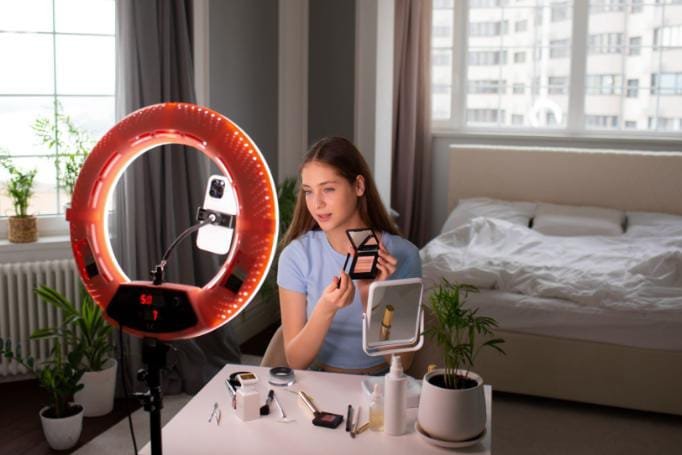
Most people still think AI UGC looks fake. They picture stiff avatars, robotic voices, and ads that scream “this is not real.” That used to be true. It isn’t anymore.
Today, the best AI UGC videos are almost impossible to tell apart from content made by real creators. They feel casual. They feel unscripted. They feel human. And brands are using them quietly to cut costs, scale faster, and test ideas without burning money on influencers.
This article breaks down six types of AI UGC videos that genuinely look real, why they work, and how brands use them without killing trust. If you’re a marketer, founder, or ugc video creator, this is the level you should be aiming for.
What “100% Real” Actually Means in UGC
Before examples, let’s reset expectations.
Real-looking UGC does not mean:
- Perfect lighting
- Studio sound
- Polished delivery
Real UGC means:
- Natural pacing
- Slight imperfections
- Conversational tone
- Relatable framing
- Clear point of view
The best AI UGC works because it copies human behavior, not human appearance. That’s the difference.
1. The Casual Testimonial Video
This is the most effective and most abused UGC format. When done wrong, it feels scripted and fake. When done right, it looks like someone talking to a friend.
Why this format looks real
A casual testimonial works because it does not try to convince. It shares.
The speaker:
- Talks slightly off-camera
- Pauses mid-sentence
- Uses simple language
- Mentions one specific outcome
Modern AI tools can now generate testimonials that follow these patterns closely. Platforms like Invideo allow brands to create UGC-style testimonials using virtual or real actors, but with scripts designed to sound unscripted.
What makes it believable
- No brand-heavy intro
- No exaggerated claims
- One clear benefit
- Short runtime
This format works especially well for SaaS, apps, and consumer products.
2. The “I Was Skeptical” Story Video
Skepticism is believable. Excitement alone is not.
This format starts with doubt and ends with a small win. That arc feels real because it mirrors how people actually buy things.
Why it works
Real customers rarely start convinced. They hesitate. They question. They test. This format captures that journey in under 30 seconds.
A strong AI-generated version includes:
- A hesitant opening line
- A quick reason for doubt
- A simple turning point
- A calm conclusion
For any ugc video creator, this format is gold because it builds trust without hype.
Why brands love it
It sells without selling. Viewers feel like they discovered the product themselves.
3. The Phone-Style Product Demo
Not a commercial. Not a tutorial. Just someone showing how they use something.
Why it looks real
People trust phone footage more than produced footage. Vertical framing, natural hand movement, and imperfect angles signal authenticity.
AI UGC tools can now simulate this style convincingly by:
- Using handheld framing
- Keeping the demo short
- Showing real interaction with the product
With tools like Invideo, brands can create product demos that feel filmed in a bedroom or kitchen, not a studio.
What makes it believable
- No background music at the start
- No logo splash
- No feature overload
One use case. One moment. One benefit.
4. The “Talking While Doing Something Else” Video
This format feels real because it breaks the rule of focus. The speaker is not fully focused on the camera, which makes the message feel unplanned.
Examples:
- Talking while walking
- Talking while packing an order
- Talking while working on a laptop
Why it works
People rarely sit still and pitch products in real life. They talk while doing things. This multitasking vibe lowers defenses.
AI-generated UGC videos now replicate this by:
- Adding light background motion
- Keeping speech informal
- Avoiding perfect delivery
For an ai video creator, this format proves that realism comes from context, not perfection.
5. The Comment-Reply Style Video
This is one of the most underrated formats in UGC.
The video starts by referencing a comment or question, then responds naturally. It feels like community interaction, not advertising.
Why it looks real
People are used to creators replying to comments. That context makes the video feel native to social platforms.
A strong AI UGC version:
- Shows the comment on screen
- Starts with “Someone asked…”
- Answers casually
- Shows the product briefly
Why brands use it
It creates instant relevance. The viewer feels like they walked into an ongoing conversation.
This format works extremely well for retargeting and FAQs.
6. The Low-Key Recommendation Video
This is the hardest format to fake and the most powerful when done right.
There is no excitement. No big reveal. Just a calm recommendation.
Why it feels real
Real people do not pitch products like ads. They mention them casually.
This format usually includes:
- A relaxed tone
- No call to action
- No dramatic music
- A simple reason for liking the product
AI UGC tools that understand pacing and tone can now generate these videos convincingly. Invideo, for example, focuses on creating scripts and delivery that match how real people talk, not how ads sound.
For any serious ugc video creator, this is the format that separates amateurs from professionals.
Why AI UGC Works Better Than Traditional Influencer Content
Traditional influencer marketing has problems:
- High cost
- Long timelines
- Limited control
- One-off usage
AI UGC solves these without breaking trust.
Brands can:
- Test multiple messages
- Control tone and claims
- Scale winning formats
- Iterate fast
When done correctly, viewers do not care whether a video was AI-assisted. They care whether it feels honest.
What Makes AI UGC Feel Fake (And How to Avoid It)
Let’s be clear. AI UGC still fails when brands make these mistakes:
Over-scripted language
Real people do not speak in marketing copy.
Too many benefits
One video should communicate one idea.
Perfect delivery
Flawless speech sounds unnatural.
Hard selling
UGC should feel like sharing, not persuading.
Good AI UGC tools are designed to avoid these traps by focusing on human patterns, not automation speed.
How to Use AI UGC Without Killing Trust
Here’s the simple rule.
Use AI to scale production, not to fake emotion.
The best workflows look like this:
- Human idea
- Human intent
- AI execution
- Human review
This is where modern tools like Invideo fit well. They help teams move fast while keeping the content grounded in real human behavior.
For brands acting as an ai video creator, the goal is not to replace creators. It’s to remove friction.
Final Thoughts
AI UGC has crossed the line from “interesting” to “indistinguishable.” The videos that work today are not louder, flashier, or more polished. They are calmer, simpler, and more human.
If you focus on:
- Natural speech
- Clear context
- One real outcome
- Honest tone
AI-generated UGC can outperform traditional influencer content at a fraction of the cost.